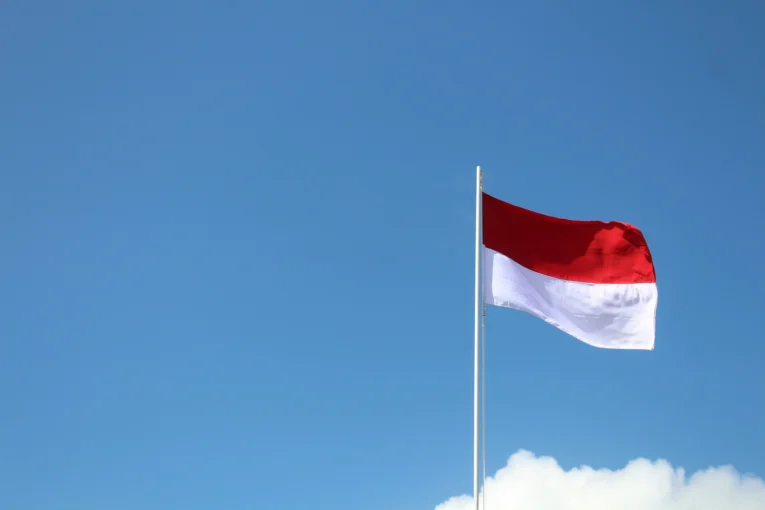
Indonesia’s 81st Independence Day serves as a source of renewed optimism as the nation strives towards its overarching vision of “Golden Indonesia 2045”. In pursuit of this goal, the government has been vigorously advancing the 2025–2029 National Medium-Term Development Plan (RPJMN), which is built around eight core missions—known as eight Asta Cita-alongside 17 priority programmes. Among the key priorities for 2026 are attaining food self-sufficiency, achieving energy independence, promoting a more balanced distribution of economic activity across regions, and fostering closer coordination between central and local authorities. Ultimately, this year’s anniversary should be regarded not merely as a celebration, but as an opportunity for reflection—a reminder that national sovereignty must continue to be reinforced through tangible, sustained action.
Universitas Gadjah Mada (UGM) firmly upholds the central theme of Indonesia’s 81st Independence Anniversary, “A Sovereign, Just, and Prosperous Indonesia” through the implementation of the Tri Dharma, or Three Pillars of Higher Education. Over the past five years, the university has generated a range of innovations under the Hilirisasi Riset, Matching Fund, and ADB PRIME STeP schemes, coordinated by the UGM Directorate of Business Development (UGM Science Techno Park). Three areas are of particular importance in this respect: accelerating the modern energy sector in order to achieve renewable energy sovereignty; strengthening agrotechnology to safeguard food security amid a changing climate; and advancing data governance to make public services more efficient. Having reached Technology Readiness Level 7, these innovations already offer direct responses to each of these challenges.
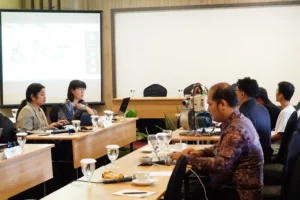
Within the renewable energy sector, UGM is advancing solar and wind technologies in Indonesia’s 3T regions (frontier, outermost, and disadvantaged areas) with a view to achieving electricity self-sufficiency.. By meeting the energy needs of these remote areas, local economies can be stimulated through the effective use of Indonesia’s abundant and sustainable natural resources. As a tropical, maritime nation, Indonesia is uniquely positioned to convert its natural wealth into renewable energy. Alongside this focus on responsible resource management, UGM is also reinforcing food sovereignty through precision-farming innovations that prioritise efficiency, as well as through the development of the Gamagora hybrid rice ecosystem. Such initiatives serve as preventive measures against the effects of climate change, including the so-called “Godzilla” El Niño phenomenon. For many years, sustainable agricultural innovations have been disseminated through demonstration plots run in partnership with farmer groups and supported by local government. In the area of data governance, meanwhile, UGM employs geospatial big-data technology to map population mobility—insights that benefit multiple sectors, while also operating the Ruang Runding platform, a digital democracy initiative that facilitates transparent, two-way communication between government and citizens. Taken together, these three sectors allow the government to expand equal opportunities for productive communities, ensuring that the benefits of development are shared fairly across the country.
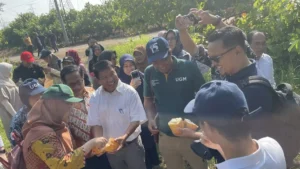
UGM remains committed to developing innovations that respond to the needs of society, government, and industry through the Pentahelix ABGC (Academia, Business, Government, Community) collaboration. This synergy ensures that research outcomes are not confined to the laboratory, but are translated into practical solutions for the nation. We wish to express our sincere gratitude to all partners and stakeholders who have supported us throughout this journey of innovation, and we hope that our efforts will help the nation grow more advanced and self-reliant. Happy 81st Independence Anniversary, Indonesia!
Let us continue to follow our social media accounts at:
IG : @ugm.stp
@banoo.id
Website : www.banoo.id
Twitter : @UGMSTP
Linkedin : UGM STP